
A neighborhood in Warren, Michigan, is currently calling the attention of the public as residents describe what they call, “Major changes in their Community” following the growth of Muslim worship places in the area.
According to one of its recent reports, five mosques are now located within roughly seven miles of one Warren neighborhood which seems disturbing. Some of them reportedly occupy buildings that previously served other purposes, including a former Lutheran church and a former Baptist church. Another proposed mosque at a residential property was rejected following a zoning dispute.
Longtime residents have raised concerns about what they say are recurring traffic and parking problems, particularly during Friday Jummah prayers and Muslim holidays. Some residents say worshippers’ vehicles have filled nearby streets and, on certain occasions, blocked driveways or resulted in cars being parked on lawns.
One resident also described an Eid gathering involving more than 100 people and amplified outdoor prayers, saying the events started without any advance notice to nearby occupants of the premises.
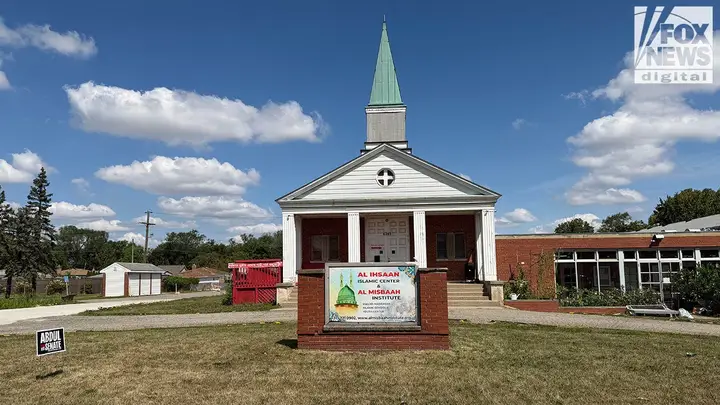
Although, the concerns are not entirely new to Warren officials. City planning records have shown that traffic congestion associated with mosque prayer services has recently been discussed, with officials and mosque representatives considering measures such as traffic volunteers, police assistance and adjustments to entrances.
Upon that, the issue has produced differing perspectives. Some residents who were interviewed said they are not opposed to having Muslim families as neighbors but want their concerns about the parking, traffic, noise and the unnecessary receive of attention.
The developments highlight the challenges that can arise when neighborhoods change rapidly and religious institutions expand alongside growing communities. For Warren residents, the debate is increasingly focused on how religious activities can coexist with the everyday needs of people living In the community.