
Jordan Peterson has spent most years of his life speaking and sharing his parts about Christianity, the Bible, Jesus Christ and the role of faith in Western society, but there’s something more interesting about him, his personal relationship with Christianity remains more complicated than the labels often seems attached to him.
The Canadian psychologist, public intellectual and author has become one of the most recognizable voices often discussing religion and culture on the media space. His lectures and interviews frequently explore a lot of biblical stories, Christian morality, also human suffering, responsibility and the search for meaning.
Even with all the things he has done concerning the above listed, Peterson has historically been reluctant to simply describe or pronounce himself a Christian.
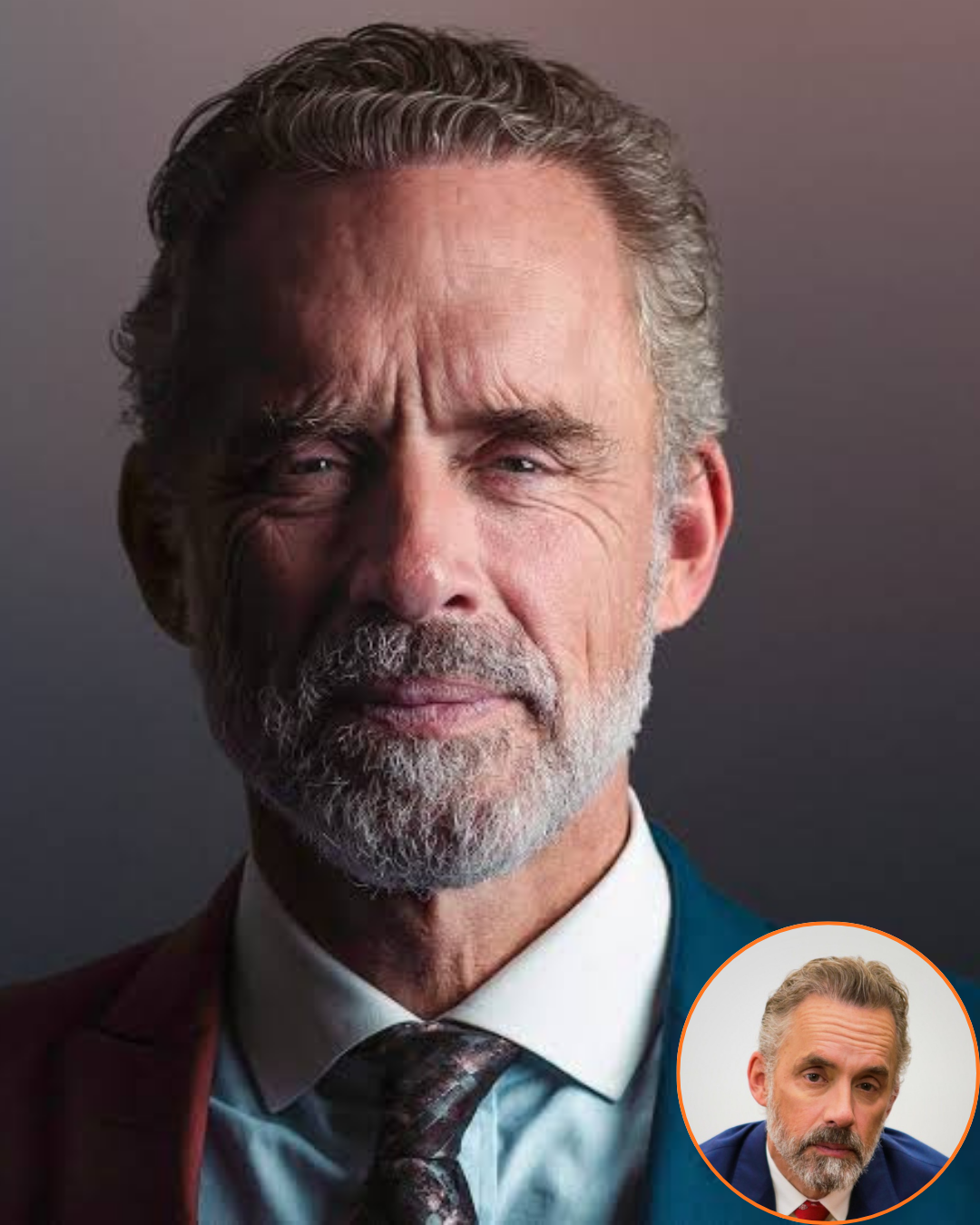
▌Jordan Peterson And The Question Of His Faith
Peterson’s continued views on Christianity have attracted significant attention, and this is because he often speaks about the Bible with unusual depth while avoiding any straightforward declaration of traditional Christian belief.
In one of his public visible moments in 2025 when he appeared in Jubilee’s “Surrounded” discussion. Peterson was directly asked if he was a Christian.
His answers weren’t A Yes or A No, rather his response was: “You say that. I haven’t claimed that.” He was subsequently asked whether he believed in God almighty, but again he did not provide the simple affirmative answer many viewers were expecting.
The exchange further generated considerable discussion among the Christians community and skeptics because Peterson has spent so much time discussing Christian ideas while remaining cautious about publicly defining his own faith, making things complicated for viewers.
▌His Deep And Interest In The Bible
Peterson’s interest in Christianity is not shallow or superficial.
Throughout his lectures, podcasts and books, he has spent time examining biblical narratives including Genesis and other foundational stories of the Scripture. He frequently approaches those mentioned biblical passages through psychology, philosophy and symbolism, seeking to know what they reveal about human beings, morality, responsibility and the struggle between good and evil.
His approach has attracted the Christians community, prompting them to appreciate his emphasis on biblical themes such as sacrifice, truth, responsibility and most expectedly repentance.
One important thing you need to know is that, Peterson’s approach is totally different from that of a traditional pastor or theologian. Rather than primarily preaching Christian doctrine, he often examines Scripture through the lens of psychology and the development of Western thought.
That distinction is very important when describing his beliefs.
▌Does Jordan Peterson Have Or Found A Church?
This is one important question Faithchannels.com is pleased to answer because there’s a lot of controversy about his beliefs and lead, but despite the way some discussions online describe him, Jordan Peterson does not lead a church or serve as a pastor in any spiritual ground.
There is no known “Jordan Peterson Church” that he founded or pastors.The only connection he has with a physical church is through his wife, Tammy Peterson, who became a committed Catholic.
There was an interview he granted in 2025 with The Spectator, Jordan Peterson made known that he was attending church regularly with his wife. He explained that his attitude toward going to church had changed after he experienced a prolonged period of serious illness.
Peterson as well spoke positively about the Catholic Church and other historic Christian traditions, noting the Catholic Church’s long history and the importance of Protestant contributions to literacy and Christianity.
▌His Wife Tammy’s Catholic Conversion
Tammy Peterson’s conversion to Catholicism has become an important part of the family’s religious story.
She entered the Catholic Church after a very serious battle with cancer and that was the experience that led her to explore Catholic prayer and devotion more deeply.
According to the Catholic Register reported, Tammy was received into full communion with the Catholic Church at the Easter Vigil around sometime in 2024.
Jordan reportedly attended the Vigil with her. The publication also specifically stated that Jordan himself was not Catholic at the time and there’s no confirmed source as of now that he is. It only stated that, Tammy’s conversion has nevertheless influenced Jordan’s own relationship with church attendance.
In his interview with The Spectator, Peterson explained that watching what his wife’s conversion had done for her affected his own attitude toward the Church.
▌Peterson And Jesus Christ
NOTE; Jesus Christ is the centre picture of Peterson’s discussions about Christianity.
He has numerously examined Jesus’ teachings and the biblical accounts of His life through philosophical and psychological questions.
However, we want you to know this important thing , there’s a difference between discussing Jesus extensively and affirming all traditional Christian doctrines concerning Him.
For traditional Christianity, belief in Jesus includes much more than accepting His teachings as morally or psychologically significant. The central Christian confession includes Christ’s divinity, death and bodily resurrection.
Jordan Peterson always has generally been cautious when pressed on precisely where he stands on such theological questions.
And this explains why the Christians have continue to debate how best to understand his religious identity.
▌Why Christians Listen to Peterson
Part of Peterson’s influence among Christians comes from his emphasis on themes that overlap with Christian teaching.
He frequently speaks about the importance of telling the truth in any found situations, accepting responsibility, confronting personal weakness, making sacrifices and seeking meaning reasons beyond material pleasure.
Peterson’s message about responsibility has particularly resonated with many young men.
Peterson has made us understand that Western civilization cannot be properly understood without Christianity. His discussions of biblical stories often present the Scripture as a foundational source of Western moral and its cultural ideas.
Some Christians therefore see a valid point in his ability to bring biblical themes into conversations with people who might otherwise have no or little interest in church or theology.
Others have expressed concerns about Peterson’s approach, particularly because psychological and symbolic interpretations of Scripture are not the same as traditional Christian theological interpretations, there are two different things.
▌A Religious Figure Without Any Conventional Church Role
Peterson’s being who he is, has an unusual story.
He is not a pastor, priest or church leader. He does not operate a congregation under his name. And although he regularly discusses Christianity, he has resisted being easily placed inside a conventional Christian category.
At the same time, his relationship with Christianity appears to have developed very strongly over the years.
Earlier in his public career, Peterson was known for speaking about religion largely through psychology and philosophy. More recently, he has spoken about attending a catholic church with his wife and expressed greater appreciation for the role of Christian worship and historic Christian institutions.
His position continues to attract attention because he stands at an unusual intersection between psychology, philosophy, culture and Christianity.
For Christians, the most important distinction is Peterson’s admiration for Christian ideas and a formal profession of Christian faith.
He has spoken openly about God, Jesus, Scripture and the Church. He has attended church with his wife and has expressed respect for historic Christian traditions. But he has also publicly resisted simply declaring himself a Christian when he was directly asked.
That tension continues to remains central to understanding Jordan Peterson’s relationship with Christianity.
Rather than being a Christian pastor with a church of his own, Peterson is a psychologist and public intellectual whose years of engagement with Christianity have made him an influential and sometimes controversial figure in conversations about faith, morality, culture and the meaning of life.